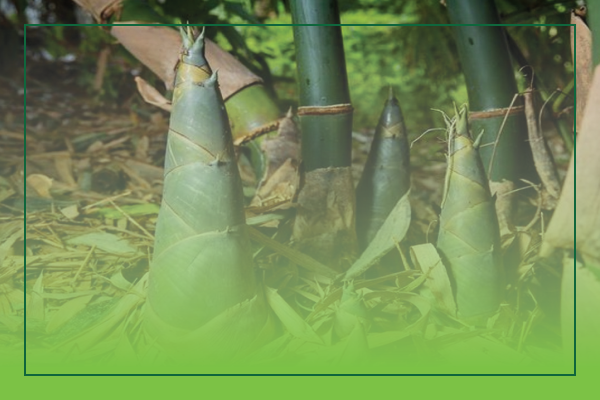
The fastest growing plant in the world
Bamboo is the fastest growing plant on Earth. Some bamboo species can grow more than 1 meter per day, or about 4 centimeters per hour. No plant grows faster.

Bamboo provides an endless source of wood
From the underground stem, bamboo shoots will grow and grow out of the ground to grow into a bamboo stem. Thanks to this property, bamboo continuously grows and regenerates itself. Therefore, bamboo is considered an inexhaustible and sustainable source of wood.

Bamboo is the main factor that creates Oxygen
Bamboo produces 35% more oxygen than hardwood trees. As a result, bamboo helps to stabilize the earth's atmosphere, and combat global climate change.

Bamboo absorbs Carbon extremely effectively
During its growth, bamboo absorbs more CO2 than it emits during production. Therefore bamboo is considered environmentally friendly.

Bamboo acts as a water tank
Bamboo acts as a reservoir by collecting and storing large amounts of water in its rhizomes during the rainy season and returning the water to the soil, rivers and streams in the dry season.

Bamboo prevents erosion and restores degraded soil
Bamboo helps to improve soil structure, regenerate nutrients, increase fertility, and prevent erosion thanks to its strong, densely developed root, stem, and stem system.

Bamboo creates a habitat for flora and fauna
Bamboo is an important part of biodiversity ecosystems. Many plant and animal species rely on bamboo for food and shelter thanks to the heat and atmosphere of mature bamboo forests.

Bamboo provides biomass for renewable energy production
Bamboo can generate huge amounts of biomass in a short period of time, and can be used as an alternative to burning fuels. As a result, bamboo can become a sustainable energy source in many countries.

Bamboo can replace other wood-based products
Bamboo is an environmentally friendly green material that has the potential to replace natural wood in the future thanks to its hardness and durability properties.
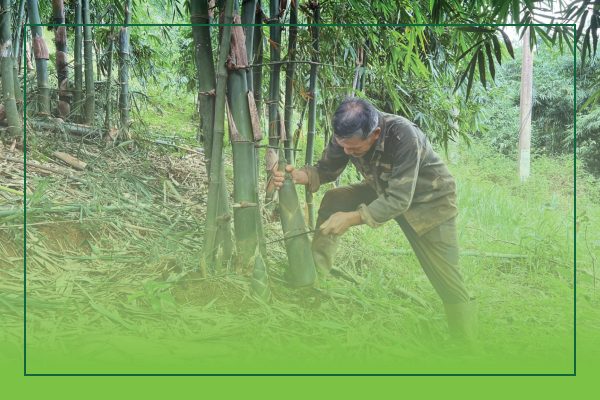
Bamboo brings livelihood to local farmers
Bamboo plays an important role in the livelihoods of local people, improving the quality of life thanks to its potential for economic development.