
Sustainable Agroforestry Practices Training
Conserve resources, promote social equity and economic benefit
Agriculture is one of the most important fields for human existence and development on this earth. However, the application of unsustainable agricultural methods in food production has many negative impacts on the environment, crop resistance, and human health. Therefore, sustainable agricultural practices are an extremely important aspect of the modern agricultural industry.
As the population continues to expand and the need for increased food production rises, it becomes imperative to engage in environmentally conscientious farming practices. Sustainable agriculture not only aids in the preservation of natural resources but also fosters social fairness and economic viability.
Sustainable agricultural practices not only reduce the environmental impact of traditional farming systems but also result in higher yields and healthier products for consumers. Sustainable agricultural methods aim to conserve essential resources, such as soil fertility, which are critical to the success of agriculture. These new production systems can benefit areas with limited or scarce resources.
Sustainable agriculture has the ability to ensure adequate food supply for the current population without compromising the ability to feed future generations. This requires consideration of three important aspects: environmental, economic and social.
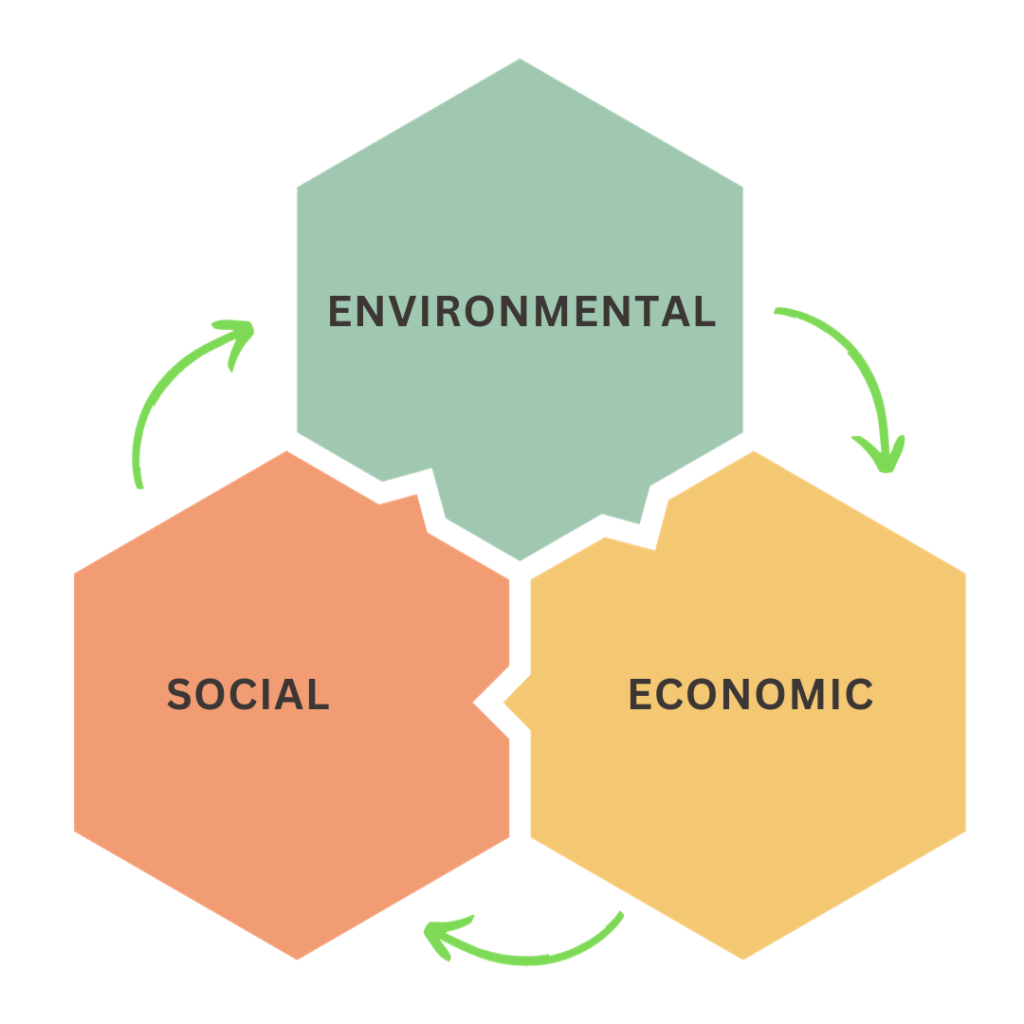
Environmental
Sustainable agriculture requires responsible use of natural resources. This includes protecting land, water and air from pollution, limiting the use of toxic agricultural chemicals, and promoting smart farming methods to maintain soil and resource richness.
Economic
Sustainable agriculture not only ensures the survival of farmers and industry workers but also creates sustainable economic value. This includes financial management, investing in improved production efficiency, and creating fair markets for agricultural products.
Social
Sustainable agriculture also needs to consider the impact on communities and society. It ensures the benefits of everyone involved in the agricultural industry, from farmers to consumers. This can include creating employment opportunities, improving the living conditions of farmers, and ensuring equity in the food supply chain.
Positive impact on food security
Sustainable agricultural practices can have many positive impacts on food security, creating a more efficient, stable and flexible food production system than traditional farming methods. This system becomes an effective strategy to meet global food demand.
Furthermore, this approach provides a way to protect natural resources and mitigate the impact of climate change on crop yields, improving food availability for both current and future generations.
In addition, sustainable agricultural practices also play an important role in minimizing the impact of climate change. Adopting sustainable farming methods can help reduce greenhouse gas emissions, protect vital ecosystems, and promote farmer adaptation to climate change.

Sustainable Agroforestry Practices Training
Recognizing the significance of sustainable farming techniques, one of the dedicated initiatives within the Bamboo Agro Forestry project involves conducting training sessions focused on imparting knowledge and techniques related to sustainable agriculture.
Main training contents:
- Practice sustainable agriculture and forestry
- Organic farming
- Microorganisms and applications
- Economy under the forest canopy
- Forest Protection
- Bamboo applications
- ....
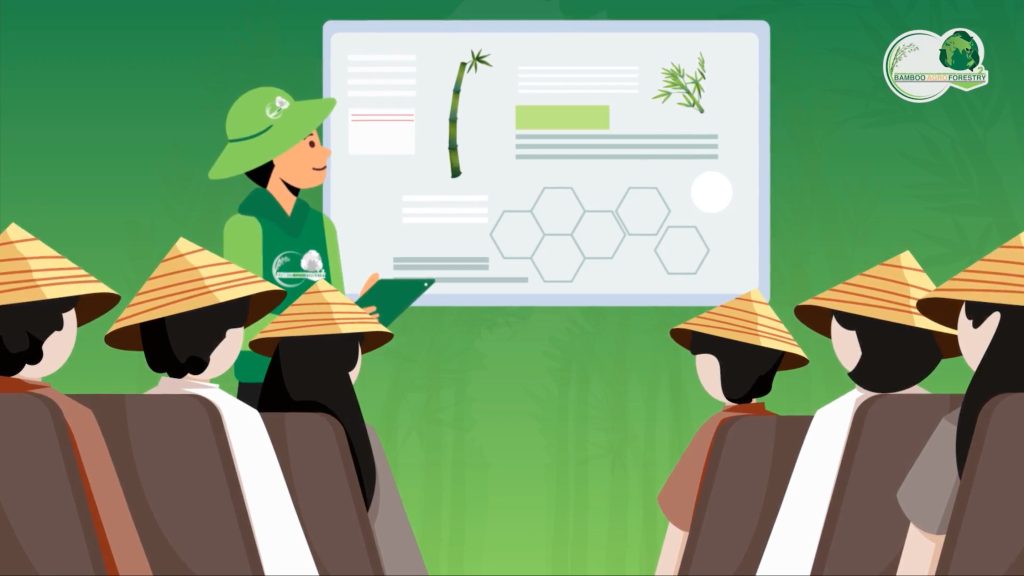
Farmers located in areas where the project is implemented, as well as those in surrounding areas, can participate
The project coordinates with the District Department of Agriculture, the Provincial Department of Agriculture and the support of the local Government to coordinate and effectively organize training courses.
Experts from the project will be responsible for training, and will also invite experts from domestic and foreign agricultural and forestry organizations and expert partners from educational institutions to ensure in-depth expertise, up to date knowledge, apply research achievements suitable to the land conditions of each area.
